Quick answer: Nerve Recovery Max contains 10 active ingredients per 2-capsule serving: alpha-lipoic acid 400 mg, benfotiamine 150 mg, acetyl-L-carnitine 50 mg, vitamin B12 (methylcobalamin) 2 mcg, vitamin B6, folate 383 mcg DFE, vitamin D3 20 mcg, and 25 mg each of ashwagandha root, turmeric root and broccoli leaf. ALA and benfotiamine do most of the work; the rest are supporting amounts.
Nerve Recovery Max Supplement Facts
The amounts below are per 2-capsule serving, as published for Nerve Recovery Max, with typical doses from human research on each single ingredient for comparison. The official Nerve Recovery Max resources page lists 36 published studies on these ingredients. Always check the label on the bottle you receive.
| Ingredient | Per serving | Why it's included | Research / reference dose |
|---|---|---|---|
| Alpha-lipoic acid (ALA) | 400 mg | Antioxidant; the most studied nutrient for nerve comfort in people with diabetes | Usually 600 mg/day orally |
| Benfotiamine (vitamin B1) | 150 mg | Fat-soluble thiamine that the body absorbs well; thiamine supports normal nerve function | About 300–600 mg/day |
| Acetyl-L-carnitine (ALCAR) | 50 mg | Helps cells make energy; studied for nerve health | 1,000–3,000 mg/day |
| Vitamin B12 (methylcobalamin) | 2 mcg | Essential for nerves and the myelin sheath | Daily need is 2.4 mcg for adults |
| Vitamin B6 | 100% DV | Supports normal nervous-system function | Upper limit 100 mg/day |
| Folate | 383 mcg DFE | Works with B12; important for cell health | Daily need 400 mcg DFE |
| Vitamin D3 | 20 mcg (800 IU) | Bones, muscles and nerve signaling | Daily need 15–20 mcg |
| Ashwagandha root | 25 mg | Adaptogenic herb for stress | 250–600 mg/day in studies |
| Turmeric root | 25 mg | Antioxidant plant compounds (curcumin) | 500 mg+ of extract in studies |
| Broccoli leaf | 25 mg | Plant antioxidants | Varies |
Other ingredients: hypromellose (vegetable capsule), oat fiber, brown rice flour, magnesium stearate. If you have a gluten sensitivity, ask the manufacturer whether the oat fiber is certified gluten-free.
1. Alpha-Lipoic Acid (400 mg): The Core Ingredient
Alpha-lipoic acid (ALA) is an antioxidant made naturally in small amounts by the body and found in foods like spinach, broccoli and organ meats. It's unusual because it works in both watery and fatty parts of cells. That's one reason researchers have studied it for nerve health, especially in people whose nerves are exposed to high blood sugar.
Most clinical studies of oral ALA for nerve comfort have used 600 mg a day, and some reviews found modest symptom improvements over several weeks at that dose. Nerve Recovery Max provides 400 mg — a meaningful amount, but about two-thirds of the usual study dose. Linus Pauling Institute: Lipoic Acid
Safety note: ALA may lower blood sugar. If you take insulin or diabetes medicine, talk to your doctor and check your glucose more often when you start.
2. Benfotiamine (150 mg)
Benfotiamine is a fat-soluble form of vitamin B1 (thiamine). Regular thiamine is water-soluble and poorly absorbed in large doses; benfotiamine raises thiamine levels in the body more effectively. Thiamine is needed to turn food into energy, and nerves are especially dependent on it.
Small human studies of benfotiamine for nerve comfort have generally used 300 to 600 mg a day. The 150 mg in Nerve Recovery Max is a reasonable supporting dose, below those studies.
3. Acetyl-L-Carnitine (50 mg)
Acetyl-L-carnitine helps carry fats into the “power plants” of cells to make energy. It has been studied for nerve health, including in people with diabetes, but at 1,000 mg a day or more. At 50 mg, its role in Nerve Recovery Max is small.
4. Vitamin B12 as Methylcobalamin (2 mcg)
B12 is essential for healthy nerves and for the protective myelin sheath around them. A B12 deficiency can itself cause numbness, tingling and balance problems — and it's more common in older adults, people who take metformin or acid-reducing medicines, and people who eat little or no animal food. NIH Office of Dietary Supplements: Vitamin B12
Methylcobalamin is an active form of B12, which is a nice touch. But the amount, 2 mcg, is only about the daily requirement. If you might be low in B12, ask your doctor for a blood test — a true deficiency usually needs much higher doses or injections, and this product isn't designed for that.
5. Vitamin B6
B6 helps the body make neurotransmitters and supports normal nerve function. Nerve Recovery Max provides 100% of the Daily Value, a modest amount. That's actually a safety advantage: long-term B6 intake well above the 100 mg/day upper limit can cause nerve problems. If you take other supplements, add up your total B6. NIH Office of Dietary Supplements: Vitamin B6
6. Folate (383 mcg DFE)
Folate works with B12 to make healthy cells. Taking folate without enough B12 can hide the signs of B12 deficiency, so it's good that the two are paired here. NIH Office of Dietary Supplements: Folate
7. Vitamin D3 (20 mcg / 800 IU)
Vitamin D supports bones and muscles, and low levels are common in older adults. 20 mcg meets the daily recommendation for adults over 70. NIH Office of Dietary Supplements: Vitamin D
8–10. Ashwagandha, Turmeric & Broccoli Leaf (25 mg each)
These three botanicals add antioxidant and stress-support compounds. Studies of ashwagandha and turmeric typically use 10 to 20 times more than 25 mg, so think of them as supporting extras rather than active doses. Ashwagandha isn't recommended during pregnancy and may affect thyroid levels. NCCIH: Ashwagandha · NCCIH: Turmeric
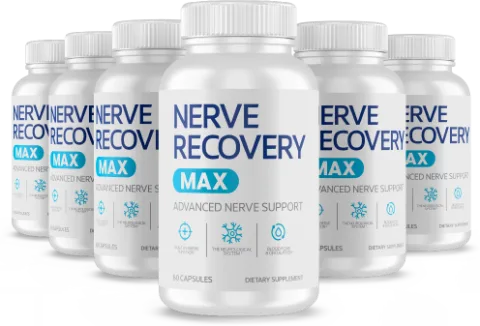
See the Full Nerve Recovery Max Label
Check the official site for the current Supplement Facts, package prices and the 180-day money-back guarantee.
View Nerve Recovery Max Ingredients → Opens the official Nerve Recovery Max order page (secure BuyGoods checkout). Prices checked October 7, 2026; confirm the total at checkout.Our Verdict on the Nerve Recovery Max Formula
The Nerve Recovery Max formula is built on the right foundation: ALA and benfotiamine are two of the most researched nutrients for nerve support, and B6 is kept at a safe level. Its weaknesses are the doses: ALA and benfotiamine are below most study amounts, and ALCAR, B12 and the herbs are present in small quantities. There's also no published study of the finished product.
If you and your doctor decide to try it, the 180-day guarantee gives you time to judge it fairly.
Frequently Asked Questions
What is the main ingredient in Nerve Recovery Max?
Alpha-lipoic acid (ALA), at 400 mg per 2-capsule serving. Benfotiamine (150 mg) is the second key ingredient.
Does Nerve Recovery Max contain gluten, sugar or stimulants?
The published other ingredients are hypromellose, oat fiber, brown rice flour and magnesium stearate. It contains no caffeine or stimulants. Oats can be cross-contaminated with gluten, so if you have celiac disease, ask the manufacturer before using it.
Is the B12 in Nerve Recovery Max enough for a deficiency?
No. 2 mcg is about the daily requirement. A diagnosed B12 deficiency usually needs much higher doses or injections prescribed by a doctor.
Is there too much vitamin B6 in Nerve Recovery Max?
No. It provides 100% of the Daily Value, far below the 100 mg/day upper limit. Very high long-term B6 intake can harm nerves, so add up the B6 in all your supplements.
Are the Nerve Recovery Max ingredients natural?
The formula combines vitamins, nutrients (ALA, benfotiamine, acetyl-L-carnitine) and plant ingredients. Several are made in a lab, which is normal for supplements and doesn't make them less effective.